



“Town planning frauds have remained undetected, even by the judiciary.”
How a Digital Facade is Fueling a TDR Scam in Telangana
By M. Venugopal V.G. HYDERABAD:February 16:
When the Telangana government unveiled the ‘BuildNow’ portal, it was marketed as a revolutionary leap toward a corruption-free, digitized building permission system. The promise was simple: transparency, speed, and the elimination of the “middleman culture.” However, a deeper look into the system’s current operations suggests that the portal has achieved the opposite. Far from being a beacon of clarity, ‘BuildNow’ has morphed into an opaque “black box” that insiders are jokingly—and bitterly—referring to as ‘BribeNow.’
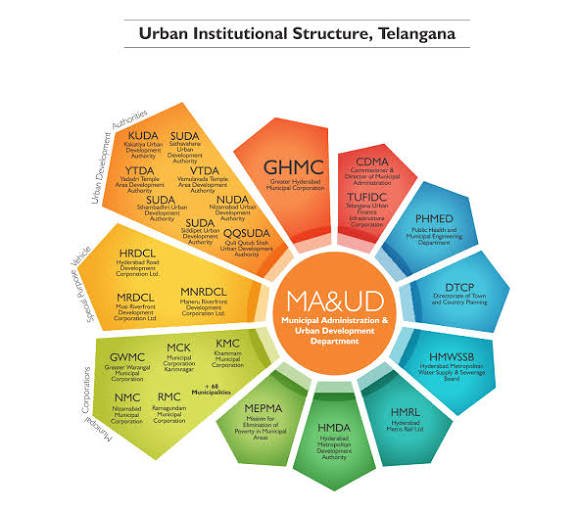
The TDR Trap: Turning Residential into Commercial:
The most sophisticated scam currently unfolding within the portal involves Transferable Development Rights (TDR). Under standard urban planning norms, a property owner surrendering land for road widening is issued a TDR certificate based on the land’s designated use (Residential).
However, investigative findings reveal a systemic manipulation of values. Middlemen, in alleged collusion with Sub-Registrar and Town Planning officials, are generating fraudulent certificates that reclassify residential plots as ‘Commercial’ for the sake of TDR valuation. By artificially inflating the certificate’s worth, officials are causing losses of hundreds of crores to the state exchequer while allowing brokers to trade these high-value certificates in the open market for massive illegal gains.
The ‘Dark’ Portal: Transparency in Retreat
Critics argue that the architecture of ‘BuildNow’ is intentionally regressive compared to its predecessors, DPMS and TG-bPASS.
Lack of Tracking: In previous systems, an applicant could track which officer’s desk their file was sitting on. In ‘BuildNow,’ this feature has been stripped away, leaving common citizens in the dark.
Weaponizing Shortfalls: The absence of a live tracking system allows officials to stall files under the guise of “minor shortfalls.” This creates a bottleneck that can only be cleared through private “consultations” with digital agents.
The AI Shield: While Artificial Intelligence (AI) was meant to streamline approvals, it is reportedly being used as a shield by officials to deflect accountability, claiming “algorithmic decisions” when questionable permissions are flagged.

Permissions in Prohibited Zones:
The lack of public-facing data has turned the portal into a playground for irregular approvals. Sources indicate that:
Government Land Encroachment: Permissions are being granted for lands listed in the government’s prohibited registry without the mandatory NALA (Non-Agricultural Land Assessment) conversions.
Safety Compromises: Occupancy Certificates (OCs) are allegedly being issued to hospitals and schools that haven’t met stringent Fire Safety norms, following significant “under-the-table” settlements.
Mortgage Evasion: Builders are reportedly bypassing the mandatory land mortgage to the government, a crucial safeguard for public infrastructure.
A Challenge to Judicial Oversight
The systemic corruption is so deeply embedded in the software’s design that it poses a challenge to the judiciary. By utilizing ambiguous digital signatures and obscure software logs, the system makes it nearly impossible for courts to pin responsibility on a specific individual. Legal experts warn that this “distributed accountability” is a deliberate tactic to ensure that even if a scam surfaces, no single officer can be prosecuted.
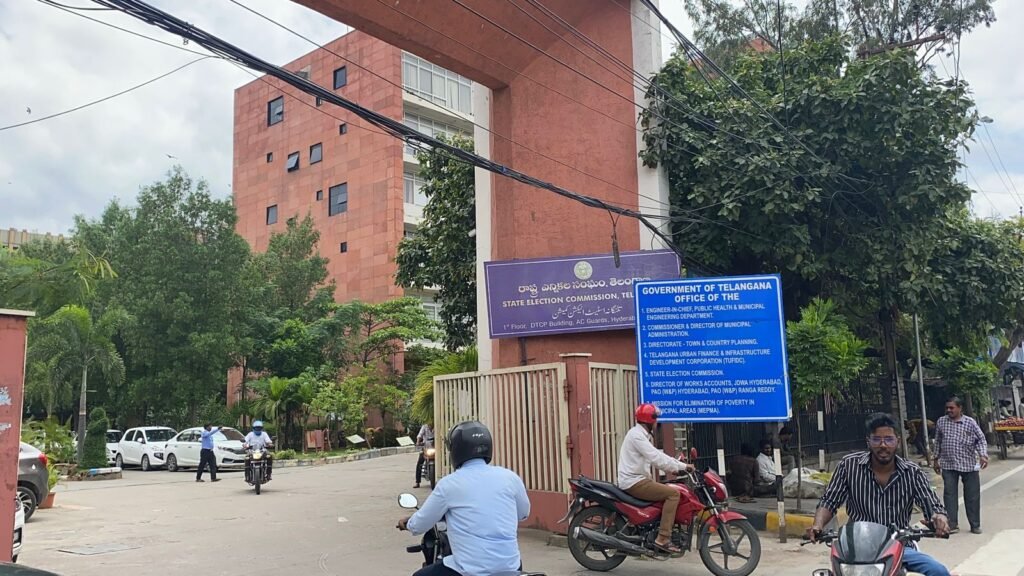
The Rise of Digital Benamis:
The power dynamic in municipal offices has shifted from the bureaucrats to “Digital Agents.” These private individuals, who handle the login credentials for officials, act as the bridge for illicit transactions, keeping the officers safe from Anti-Corruption Bureau (ACB) traps.
The Road to Reform:
To restore public trust, urban planning experts suggest three immediate steps:
Public Domain Access: Every permission, including the name of the approving officer and the grounds for approval, must be hosted on a public portal.
SIT Probe into TDR: A Special Investigation Team (SIT) audit of all TDR certificates issued over the last 24 months to verify valuation accuracy.
Restoration of Live Tracking: Reintroducing real-time file tracking to ensure bureaucrats are held accountable for delays.
Technology is intended to empower the common man, not to serve as a sophisticated tool for institutionalized graft. The government now faces a choice: fix the “gl